
Stories
Explainers, trends, and perspectives on the space this product works in.
The equity equation ties ownership to contribution
Paul Graham's essay on the equity equation frames every equity grant as a trade, one worth making only when what is received is worth more than the stake surrendered. Read forward, that test ties ownership to contribution rather than to who was present on day one, and it turns the measurement of contribution into the harder problem underneath every cap table.
Latest stories
Explainers, trends, and perspectives on the space this product works in.
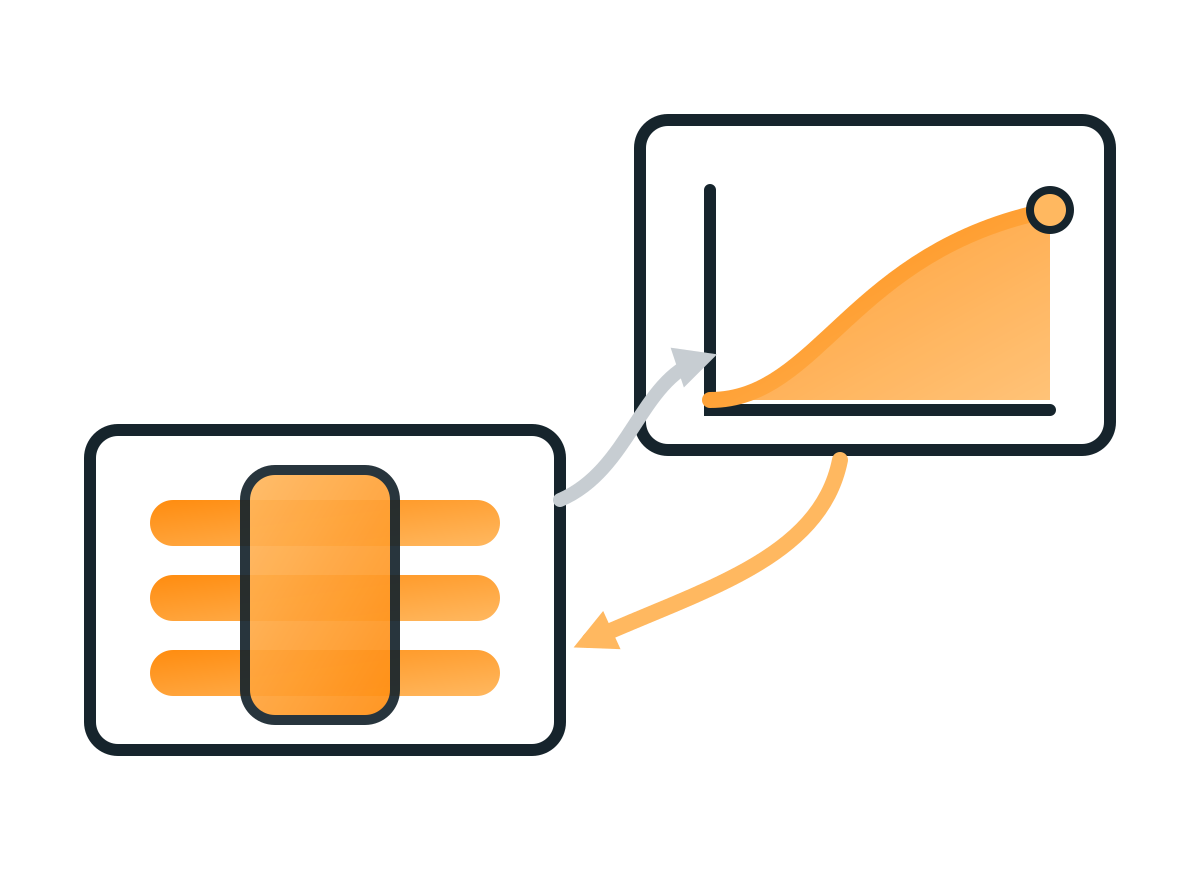
The Linux kernel measures authority in patches merged
LWN's development statistics for a recent Linux kernel release record thousands of commits from more than two thousand developers spread across hundreds of employers, and standing on the project follows the code each one has merged. That running log answers questions of credit and authority from evidence, the kind of record most smaller teams never keep.
Bug bounties pay by measured impact, one contribution at a time
HackerOne reports paying out tens of millions of dollars across its programs over a twelve-month window, pricing each submission by the impact it carries rather than the time it took. That model shows a market can value individual contributions when impact is observable, and it also marks where the valuation gets hard once work stops arriving as discrete findings.
Hollywood net-profit points show how opaque accounting breeds disputes
Reporting on Forrest Gump describes a film that grossed hundreds of millions on a modest budget yet was booked by the studio as a loss, leaving participants promised a share of net profits with nothing to collect. The case shows how a fair-sounding split turns into a dispute when the party paying also controls the ledger that decides the payout.
Open-source funding platforms route rewards to contributions
Gitcoin and similar platforms route rewards to specific pieces of open-source work through a mix of merit and community voting, showing that individual contributions can be identified, valued, and paid in a repeatable way. What makes the mechanism run is transparency, which is exactly what a private team dividing equity has to rebuild at a smaller scale.
The changing shape of work makes contribution harder to see
Work has spread out. More of it is remote, more people build software or create for a living, and more people hold more than one job at once. As teams scatter across places and projects, the old question of who contributed what, and how the value should be split, gets harder to answer by feel.