
Story Details
Explainers, trends, and perspectives on the space this product works in.
The equity equation ties ownership to contribution
Founder Dynamics
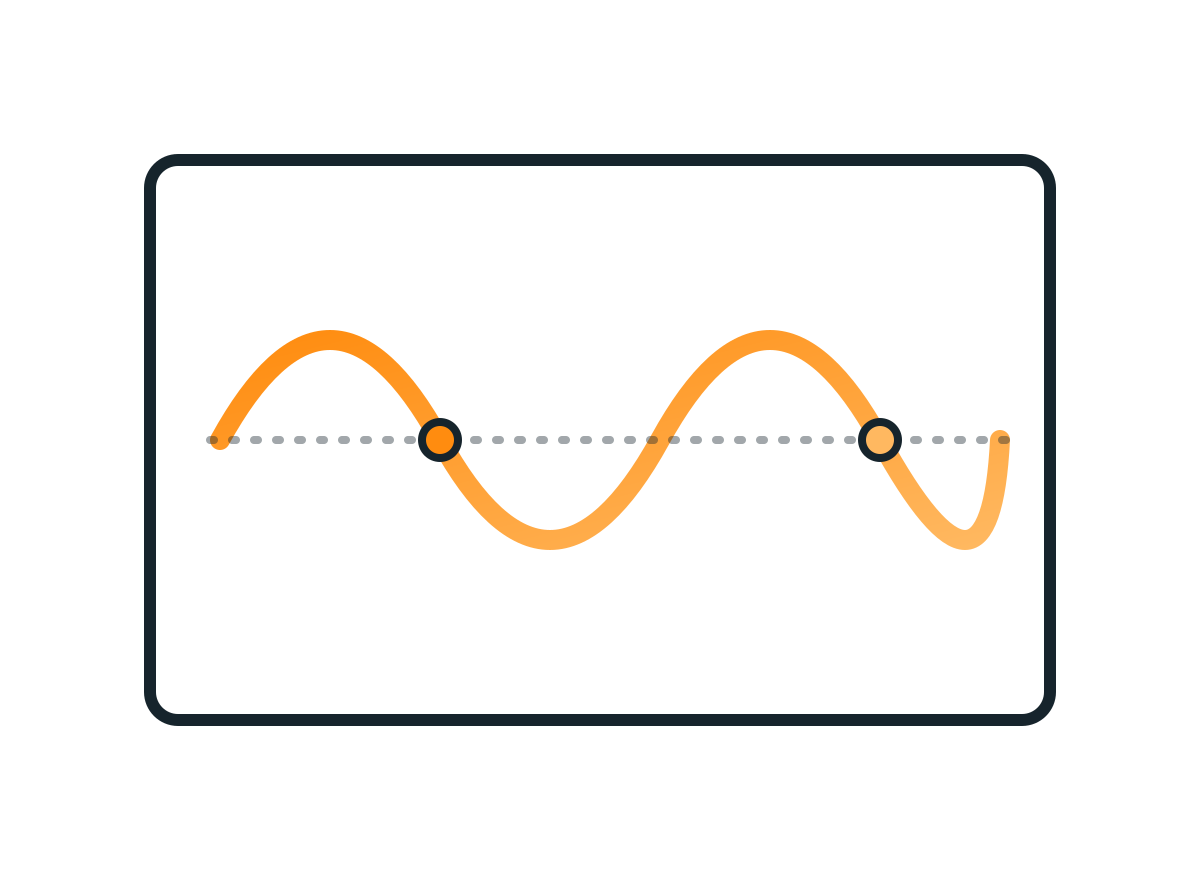
Equity as a trade, evaluated at the margin
Paul Graham's widely read essay lays out the equity equation as a single test. Giving up a fraction of a company is worthwhile only when it raises the value of the remaining stake by more than the fraction handed over. The useful consequence is what the test ignores. It never asks how early someone joined. It asks what the grant buys and whether the surviving ownership is worth more once the trade is done. Source: https://paulgraham.com/equity.html
How a cap table records ownership today
A capitalization table is the ledger that lists who owns what share of a company. In most young teams that ledger is written once, at formation, when founders agree on a split before much work exists to divide. The numbers reflect the expectations of a single conversation. From that point the table tends to sit still while the company around it keeps moving.
Where a fixed split drifts from the work
The reason a frozen split becomes a problem is that contribution keeps accruing after the split is set. A cofounder who leaves in the first week and a cofounder who ships half the product hold very different amounts of realized work, yet a formation-time table records the same intentions it captured on the first day. Compared against the equity equation, which values a stake by what it is worth at the margin, the fixed split measures a moment while the work measures a history.
- Formation-time splits capture intent, not delivered work.
- Departures and pivots change who contributed what.
- The frozen record drifts from the realized contribution.
The measurement problem the equation exposes
Reading the equation forward turns the cap table from a one-time negotiation into a running account of who did the work. That reframing carries an engineering cost. A split can follow contribution only if contribution is observed and recorded as it happens, and continuous work resists that kind of accounting far more than a single founding agreement does. The difficulty is the measurement, and it is the reason most teams settle for the frozen number.
What a contribution-aware record changes
For a small team the payoff of a live record appears exactly when circumstances change. When a founder departs, when scope shifts, or when a later contributor carries a disproportionate share, an account tied to delivered work gives every party a common reference. Whether contribution can be measured cleanly enough to hold that record together remains the open question, and it is the one the next generation of collaboration tooling will have to answer.

More stories
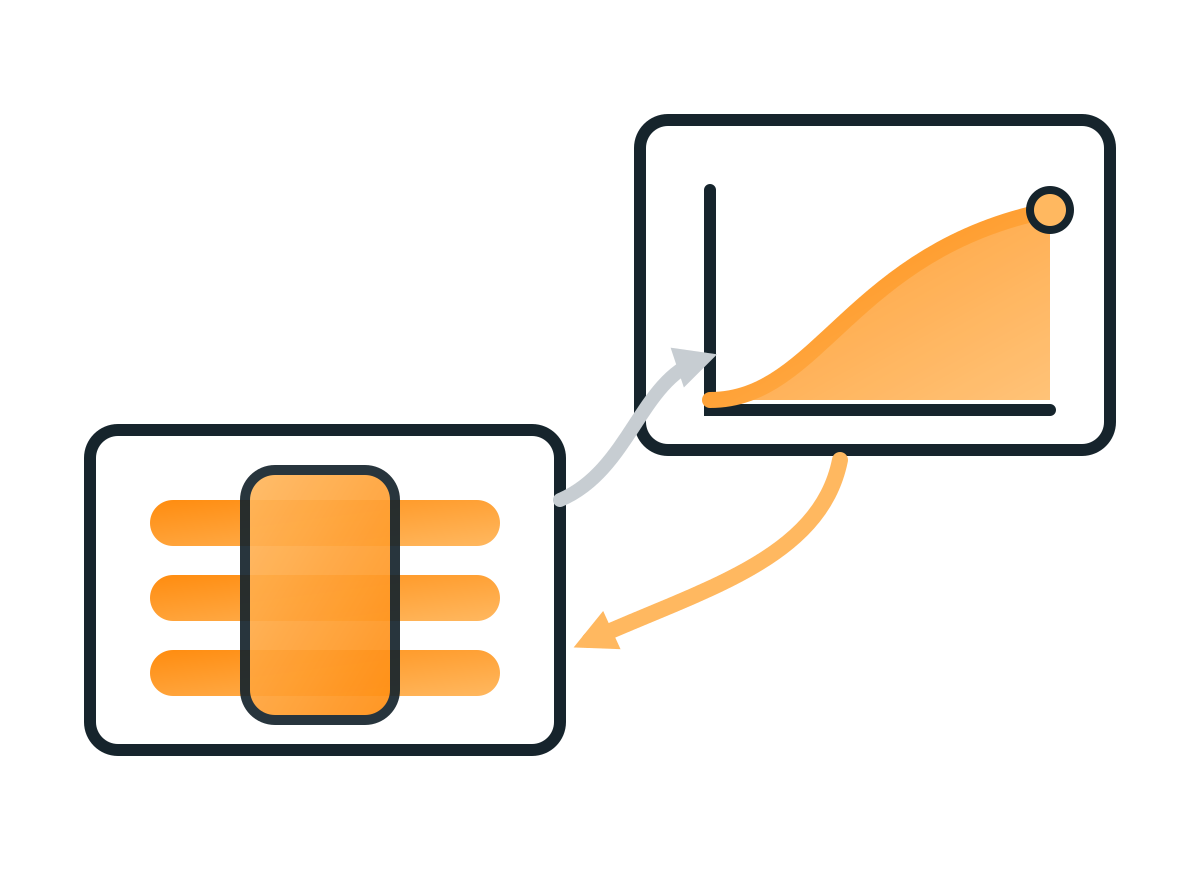
The Linux kernel measures authority in patches merged
LWN's development statistics for a recent Linux kernel release record thousands of commits from more than two thousand developers spread across hundreds of employers, and standing on the project follows the code each one has merged. That running log answers questions of credit and authority from evidence, the kind of record most smaller teams never keep.
Bug bounties pay by measured impact, one contribution at a time
HackerOne reports paying out tens of millions of dollars across its programs over a twelve-month window, pricing each submission by the impact it carries rather than the time it took. That model shows a market can value individual contributions when impact is observable, and it also marks where the valuation gets hard once work stops arriving as discrete findings.